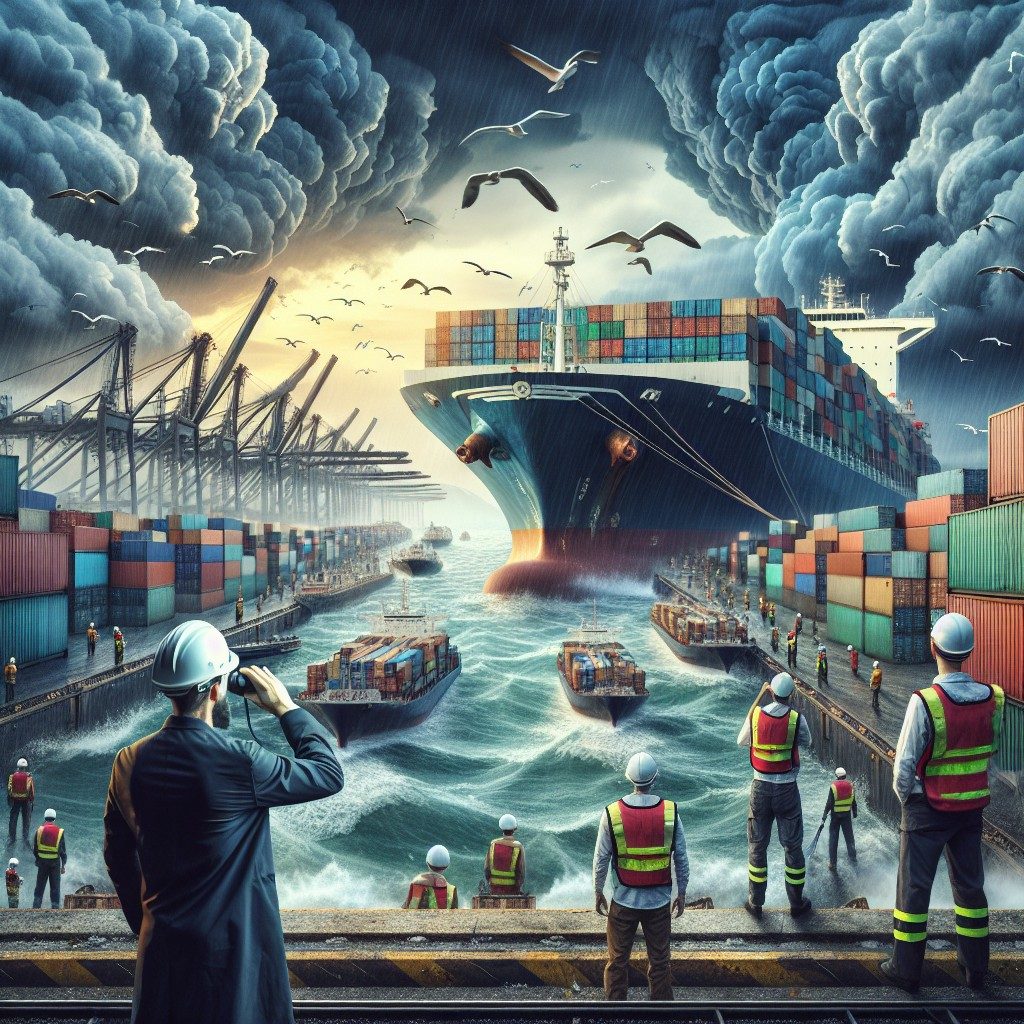
As climate change continues to shape global weather, scientists are sounding alarms over the predictions for 2026. Recent climate analysis by leading experts reveals a concerning shift in weather patterns that could have profound implications for populations worldwide. With current trends in greenhouse gas emissions and historical weather data, forecasts indicate extreme phenomena that warrant urgent attention and proactive responses.
Rising Temperatures and Changing Seasons
Experts predict that average global temperatures will rise significantly by 2026, largely attributable to ongoing emissions from fossil fuels and deforestation. Cities already experiencing hot temperatures are expected to face unprecedented heat waves, elevating health risks for vulnerable populations. Furthermore, traditional seasons may begin to blur as winter months become milder and summer months intensify, impacting agriculture and natural ecosystems.
Increased Frequency of Extreme Weather Events
The ongoing climate analysis indicates a troubling increase in the frequency and intensity of severe weather events. From hurricanes in the Atlantic to wildfires in the West, the next few years could see a record-breaking rise in such occurrences. This influx poses significant challenges for disaster preparedness and recovery efforts, as infrastructure systems may be strained under the mounting pressures of natural disasters. According to findings, regions that have been historically stable may begin to experience levels of unpredictability that threaten economies and human safety.
Global Impact on Water Resources
Water scarcity emerges as another critical concern in the climate analysis for 2026. Changing precipitation patterns and the melting of glaciers suggest that freshwater resources will be increasingly compromised. Countries dependent on glacial meltwater may see diminished supply, leading to conflicts over water rights and heightened levels of human migration. The interconnectivity of water supplies compels nations to cooperate on policies that will affect resource management and sustainability.
Conclusion: Time for Action
As the implications revealed in this climate analysis unfold, it is crucial for decision-makers and citizens alike to heed the warnings of climate scientists. The predictions for 2026 highlight the urgent need to implement strategies aimed at reducing greenhouse gas emissions, enhancing disaster preparedness, and fostering international cooperation on resource management. The window for impactful action is rapidly closing, and societies must adapt to mitigate the adverse effects of climate change.
Frequently Asked Questions about Climate Analysis
What is climate analysis?
Climate analysis involves the examination of historical weather data to predict future climate trends and understand the impact of climate change.
How can climate analysis help in disaster preparedness?
By identifying potential extreme weather patterns, climate analysis can aid in developing strategies for disaster preparedness and response, ensuring communities are better equipped.
What role does greenhouse gas emissions play in climate analysis?
Greenhouse gas emissions are a major focus in climate analysis, as they directly influence global temperatures and the likelihood of extreme weather events.
Why is water management important in climate analysis?
Water management is crucial in climate analysis because changing weather patterns can lead to water scarcity, impacting agriculture and human livelihoods.
How can individuals contribute to climate analysis findings?
Individuals can contribute by staying informed on climate issues, advocating for sustainable practices, and supporting policies aimed at reducing emissions and protecting natural resources.