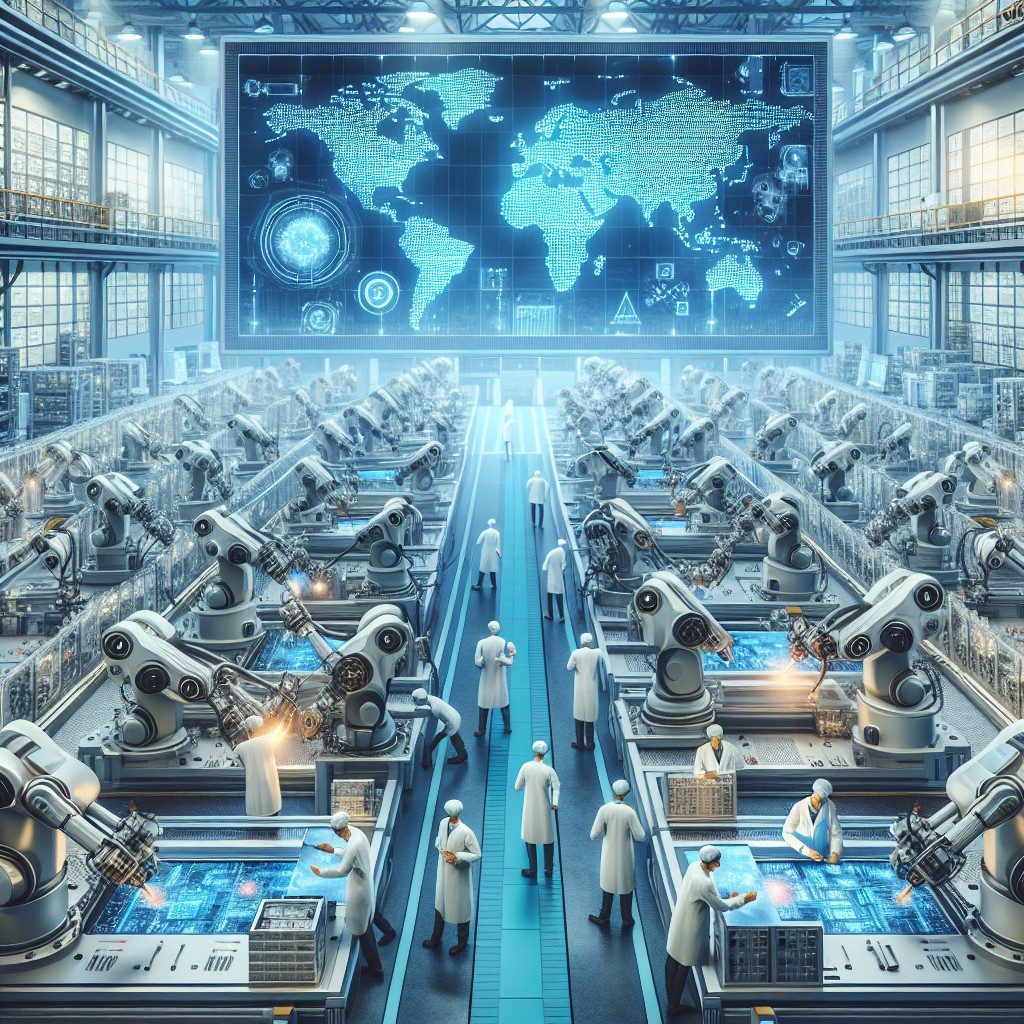
The strategic importance of semiconductors in the global economy has never been more pronounced. As essential components in countless modern devices, from smartphones to military equipment, these chips influence not only technological advancement but also international power dynamics. Understanding the geopolitics surrounding semiconductors is crucial to comprehending the broader shifts in global influence and economic strength today.
Global dependence on semiconductor manufacturing
The production of semiconductors is concentrated in a handful of countries, which has created a significant geopolitical vulnerability. Taiwan, South Korea, and the United States are pivotal players in the fabrication and design of advanced chips. Taiwan’s Taiwan Semiconductor Manufacturing Company (TSMC) alone commands a dominant share of the global foundry market, producing some of the most advanced semiconductors in the world. This concentration means that disruptions in any one country can ripple across international supply chains, affecting industries worldwide.
Supply chain disruptions and political tensions
Recent geopolitical tensions, including trade disputes between the U.S. and China, have highlighted the fragility of semiconductor supply chains. Export controls, tariffs, and restrictions on technology transfers have made semiconductors a contested arena. As countries vie for technological superiority and economic security, semiconductors have become a key element in broader strategic competition, with nations seeking to protect and develop their domestic manufacturing capabilities to reduce reliance on foreign sources.
Investment and innovation in semiconductor technology
The rapid pace of innovation in semiconductor technology demands significant investment in research and development. Governments have recognized this and increased funding to support domestic industries. For example, the U.S. government has enacted legislation to promote semiconductor manufacturing and innovation within its borders, aiming to ensure economic competitiveness and national security. Other countries are following suit, channeling resources into advanced facilities and talent development to maintain their positions in the global hierarchy.
The role of semiconductors in national security
Semiconductors are critical to national defense systems, including missile guidance, communication networks, and cybersecurity infrastructure. Control over semiconductor technology translates to strategic advantage in military capabilities. This dual-use nature has intensified efforts by countries to secure supply chains against potential disruptions or espionage. Ensuring a reliable supply of advanced chips is thus viewed as an essential part of national security strategy.
Future outlook: shifting landscapes and emerging players
Looking ahead, the geopolitics of semiconductors is expected to evolve as new players emerge and existing ones adapt policies to maintain influence. Countries like China are aggressively investing in domestic semiconductor capabilities to reduce dependency on Western technology. Meanwhile, alliances such as the U.S.-Japan-South Korea partnership aim to strengthen collective resilience in chip production and innovation. While supply chain diversification efforts are underway, the semiconductor industry’s concentration remains a focal point of international attention and policy action.
Frequently Asked Questions about semiconductors
Why are semiconductors important in global geopolitics?
Semiconductors are crucial for technological innovation and economic strength, making control over their production a significant factor in global power dynamics.
Which countries dominate semiconductor manufacturing?
Taiwan, South Korea, and the United States are leading semiconductor manufacturers, with Taiwan’s TSMC playing a pivotal role in advanced chip production.
How have geopolitical tensions affected semiconductor supply chains?
Trade disputes and export restrictions have caused supply chain disruptions, prompting countries to strengthen domestic production to reduce dependency.
What role do semiconductors play in national security?
Semiconductors are essential in defense technologies, including communication, surveillance, and missile systems, making their security a strategic priority.
Are there efforts to diversify semiconductor supply chains?
Yes, nations are investing in domestic manufacturing capabilities and forming alliances to create more resilient and diversified semiconductor supply chains.
For additional authoritative information on semiconductors, please consult industry organizations dedicated to advancing semiconductor technology worldwide.