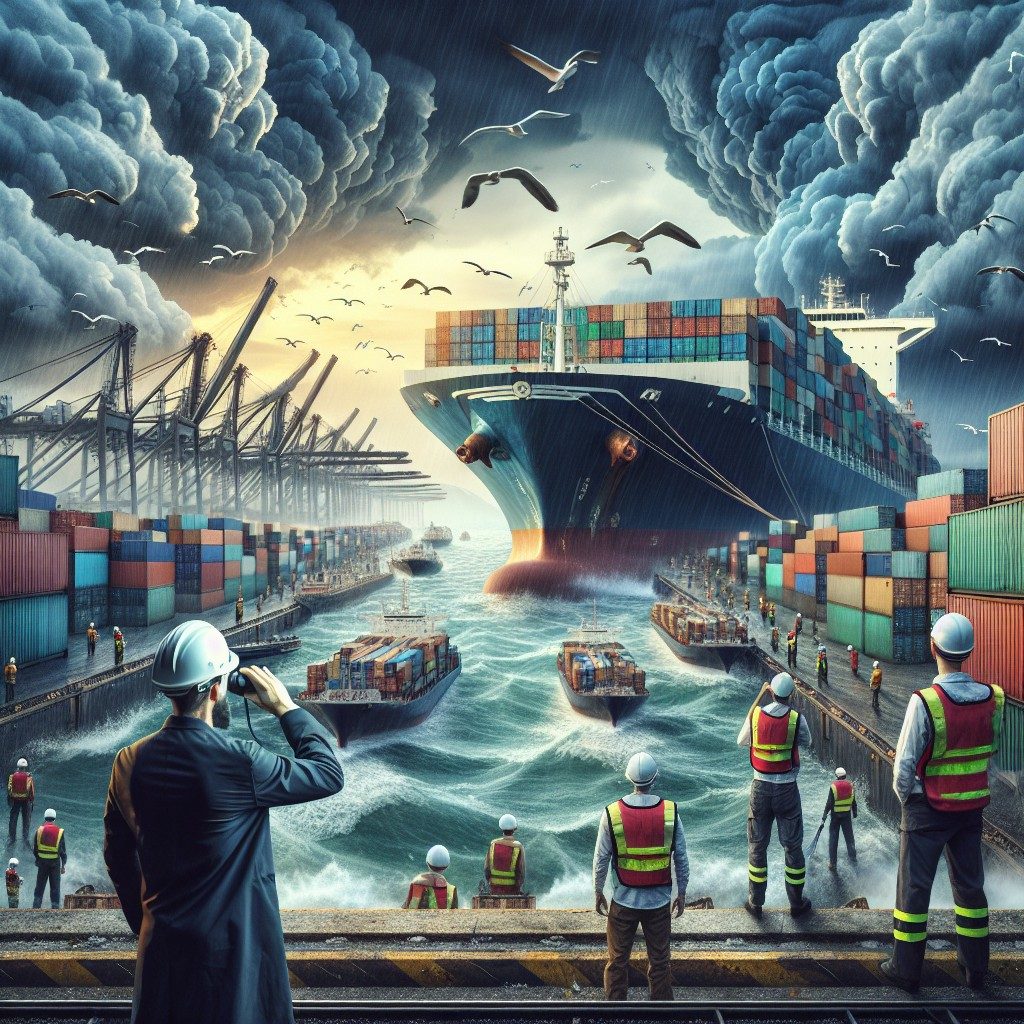
Global shipping remains the backbone of international trade, facilitating the movement of goods across continents. However, recent geopolitical tensions, environmental challenges, and technological disruptions have placed longstanding trade routes under unprecedented pressure. The shipping industry is adapting rapidly to these new global risks to maintain supply chain resilience and ensure continued economic flow.
Geopolitical tensions reshaping trade paths
Recent shifts in geopolitical dynamics have significantly affected traditional maritime corridors. Conflicts in key regions and increased naval activity have compelled shipping companies to reconsider established routes. For instance, rising tensions in the South China Sea have led to heightened security measures and occasional rerouting to avoid potential hotspots. Similarly, the blockage of the Suez Canal in 2021 underscored the vulnerabilities of critical chokepoints. Consequently, global shipping companies are increasingly seeking alternative pathways, sometimes opting for longer but safer routes, to mitigate risk while balancing costs and delivery times.
Impact of environmental regulations on shipping operations
Environmental concerns have introduced another layer of complexity for global shipping. New international regulations aimed at reducing carbon emissions have pushed the industry toward cleaner fuels and more efficient vessel designs. The International Maritime Organization’s enforcement of the Sulphur Cap in 2020 is a prime example that has reshaped fuel usage globally. These regulatory changes affect operating costs and route planning, as some paths may present logistical challenges in sourcing compliant fuels or accommodating slower transit speeds needed for emissions compliance.
Technological advancements enhancing route management
Advances in technology play a critical role in enabling global shipping to adapt to emerging risks. Real-time satellite tracking, artificial intelligence, and big data analytics allow shipping operators to monitor weather patterns, geopolitical developments, and port conditions with greater precision. These tools facilitate dynamic rerouting decisions that optimize safety and efficiency. Furthermore, the integration of blockchain technology enhances transparency and trust in supply chains, providing stakeholders with verified data on cargo movements amid uncertain circumstances.
Supply chain disruptions and their ripple effects
The ongoing challenges related to the COVID-19 pandemic have exposed vulnerabilities within global shipping networks. Port congestions, labor shortages, and fluctuating demand have created bottlenecks impacting delivery schedules and inventory management worldwide. Shipping companies are responding by diversifying their port calls and investing in flexible logistics partnerships. This approach helps to mitigate the risks associated with overreliance on a limited number of hubs, thereby smoothing the flow of essential goods despite external shocks.
Future outlook: resilience through collaboration and innovation
The complex landscape of global shipping under new risks necessitates cooperation among governments, industry players, and international organizations. Forums such as the International Maritime Organization and economic alliances are promoting standardized safety protocols and shared intelligence to address threats collectively. Investment in sustainable technologies and infrastructure modernization remains a priority to adapt to evolving environmental and security challenges. As these efforts progress, the global shipping industry is poised to maintain critical trade connections, although continuous vigilance and innovation will be required to navigate future uncertainties.
In conclusion, global shipping is confronting an array of challenges that pressure traditional trade routes. Through strategic route adjustments, adherence to environmental mandates, technological integration, and collaborative frameworks, the industry demonstrates resilience and adaptability. The effectiveness of these responses will significantly influence the stability of international trade and economic growth in the coming years.
For more detailed insights into developments affecting global shipping, industry stakeholders and policy makers are encouraged to consult authoritative resources regularly.
Frequently Asked Questions about global shipping
What are the main global risks currently affecting global shipping?
Global shipping faces risks such as geopolitical conflicts, environmental regulations, supply chain disruptions, and technological challenges that impact the safety and efficiency of maritime trade routes.
How is the global shipping industry addressing environmental concerns?
The industry is reducing emissions by adopting cleaner fuels, upgrading ship designs, and complying with international regulations like the IMO Sulphur Cap to minimize its environmental footprint.
Why are traditional shipping routes being altered in recent years?
Shipping routes are adjusted in response to geopolitical tensions, navigational hazards, and efforts to avoid congested ports, aiming to ensure secure and timely transport of goods.
What role does technology play in enhancing global shipping?
Technology enables better route planning, risk monitoring, and supply chain transparency through tools like satellite tracking, AI analytics, and blockchain systems in global shipping operations.
Can global shipping maintain supply chain stability amid current challenges?
While challenges exist, the global shipping sector improves stability by diversifying routes, collaborating internationally, and investing in adaptable logistics frameworks to sustain trade flows.
For authoritative updates on global shipping issues, industry professionals often refer to the International Maritime Organization.